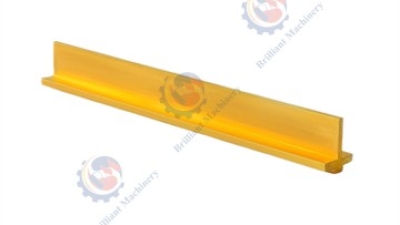
Nowadays, in the fast-moving world of manufacturing, you really can’t overlook the importance of CNC machined copper extrusions. They’re not just about making things run smoother; they actually help make products better and use materials more efficiently. That’s why so many industries—think electronics, aerospace, and more—favor these extrusions. Companies like Precision Copper Solutions, for example, see just how crucial they are for delivering high-quality products quickly and without breaking the bank.
As everyone’s craving more precision and dependable results, getting a good grip on CNC machining techniques is more important than ever. Creating those perfect copper extrusions isn't just about fancy machines—it also requires a solid understanding of the material’s properties and what’s possible in terms of design. So, I’ve put together ten key tips that can help manufacturers sharpen their processes, boost product quality, and keep their customers happy. Whether you’ve been in the game for years or just starting out in CNC machining, these tips should give you some useful insights to really unlock the potential of copper extrusions in your work.
Understanding CNC Machining Basics for Copper Extrusions
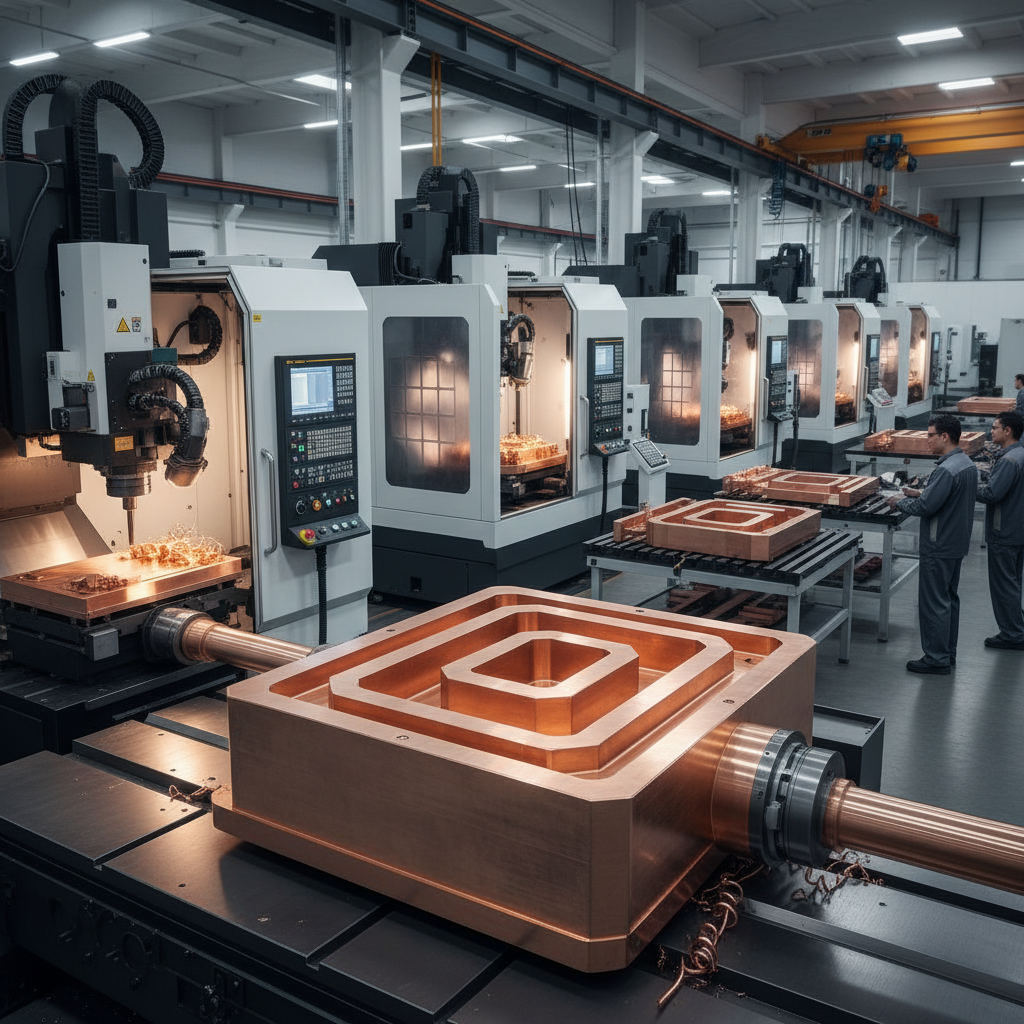
CNC machining has revolutionized the manufacturing of copper extrusions, offering precision and efficiency in creating complex components. Understanding the basics of CNC machining is crucial for anyone involved in the production process. This technology utilizes computer-controlled tools to perform a range of operations, including milling, turning, and drilling, on copper materials. The high level of accuracy achieved in CNC machining is essential for fabricating parts that fit together seamlessly and function as intended.
The characteristics of copper, such as its excellent conductivity and corrosion resistance, make it an ideal choice for various applications, from electrical components to plumbing fixtures. However, working with copper presents unique challenges due to its malleability and tendency to work-harden. Knowledge of CNC machining basics can help operators select the right tools, feeds, and speeds to optimize the cutting process.
Furthermore, understanding how to implement effective cooling methods can significantly prolong tool life and maintain the integrity of the copper workpiece, leading to higher-quality extrusions and improved productivity on the shop floor.
Key Properties of Copper That Impact Machining Performance
Copper's unique properties significantly influence the machining performance when creating extrusions. One of the most notable attributes of copper is its excellent thermal and electrical conductivity, which allows for efficient heat dissipation during the CNC machining process. This not only enhances precision in cutting but also extends tool life, making it a preferred material for high-performance applications. Additionally, copper's ductility enables intricate designs and complex shapes to be produced without compromising structural integrity, essential for industries demanding high-quality components.
At Shaanxi Brilliant Machinery Co., Ltd., we recognize the pivotal role that copper's properties play in achieving manufacturing excellence. Our commitment to innovation ensures that we utilize state-of-the-art CNC machining techniques tailored for copper extrusions, maximizing efficiency while minimizing waste. By focusing on the inherent characteristics of copper, we strive to elevate industry standards and deliver products that meet our customers' highest expectations for quality and sustainability. This dedication not only positions us as a reliable partner in the mechanical parts industry but also aligns with our vision of setting a global benchmark for manufacturing excellence.
Choosing the Right CNC Machine for Copper Extrusions
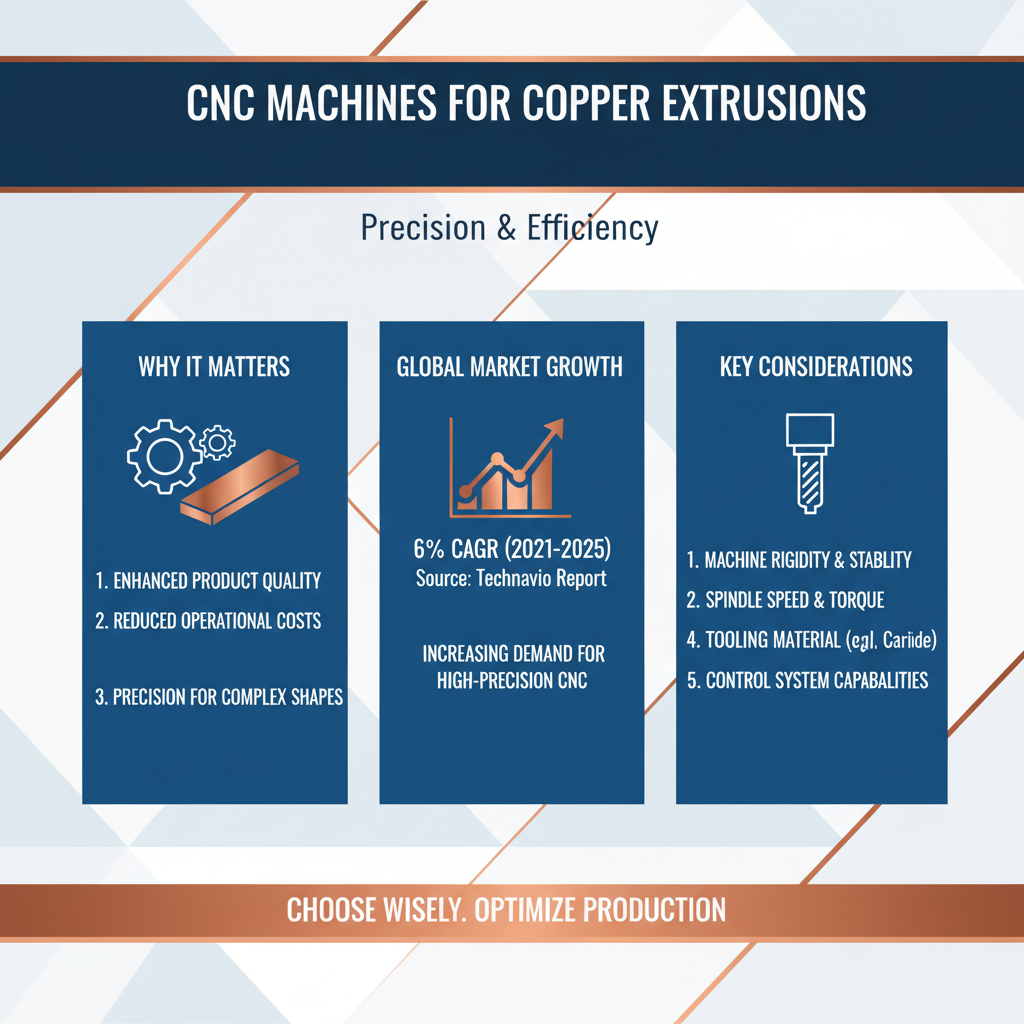
Choosing the right CNC machine for copper extrusions is crucial for achieving precision and efficiency in your production process. The right machine not only enhances the quality of the final product but also significantly impacts the operational costs. According to a recent report from Technavio, the global CNC machining market is expected to grow at a CAGR of over 6% from 2021 to 2025, highlighting the increasing demand for CNC machining technologies that can handle materials like copper with high precision.
When selecting a CNC machine, consider factors such as the machine's spindle speed, feed rate, and tooling. High spindle speeds are essential for machining copper, as they allow for smoother and faster operations. Moreover, using the right feed rate can prevent tool wear and production delays. One tip is to choose CNC machines with advanced cooling systems to manage the heat generated during the machining process, which is particularly important when working with copper due to its thermal conductivity.
Additionally, ensure that your CNC machine has compatibility with various tooling options to maximize versatility in production. Investing in machines equipped for multi-axis operations can further enhance your capability to create complex shapes and designs required in copper extrusions. According to industry standards, utilizing machines with five-axis capabilities can increase material removal rates by up to 30%, thus improving overall productivity while maintaining precision.
Essential Cutting Tools for Effective Copper Machining
When it comes to machining copper extrusions, selecting the right cutting tools is crucial for achieving efficiency and precision. According to the "Global Copper Market Report 2022" by Market Research Future, the demand for high-quality copper products has surged, pushing manufacturers to enhance their machining processes. Effective machining not only requires robust cutting tools but also an understanding of their material properties. For copper, high-speed steel (HSS) and carbide tools are often preferred due to their superior wear resistance and precision cutting capabilities.
Moreover, cutting tool geometry plays a significant role in the efficiency of copper machining. Tools designed with sharper cutting angles and appropriate chip clearance help reduce friction and heat buildup, which can be detrimental when working with copper's thermal conductivity. A recent study published in the International Journal of Advanced Manufacturing Technology indicated that utilizing the correct tool coating, such as TiN or TiAlN, can increase tool life by up to 50%, thereby maximizing productivity. By investing in such specialized cutting tools, manufacturers can achieve better surface finishes and tighter tolerances, ultimately enhancing the overall quality of copper extrusions.
Optimizing Machining Speeds and Feeds for Copper
When optimizing machining speeds and feeds for copper extrusions, understanding the unique properties of copper is crucial. Copper has excellent thermal conductivity, which can lead to rapid heat buildup during machining. Therefore, it's essential to select the right spindle speed to prevent overheating. Generally, a higher spindle speed is recommended for copper, but it must be balanced with the feed rate to ensure efficient material removal without sacrificing tool life.
Another important aspect is determining the optimal feed rate. Too slow of a feed can result in excessive tool wear due to prolonged contact with the material, while too fast of a feed may lead to poor surface finish and decreased accuracy. It's advisable to conduct thorough testing to find the sweet spot that maximizes productivity while maintaining desired tolerances. Additionally, using the right cutting tools with appropriate coatings can significantly enhance the performance when machining copper, allowing for smoother operations and extended tool longevity.
Implementing Quality Control in Copper CNC Machining
Implementing quality control in copper CNC machining is crucial for ensuring the precision and reliability of machined parts. At Shaanxi Brilliant Machinery Co., Ltd., we prioritize stringent quality assurance processes that align with our vision of manufacturing excellence. By utilizing advanced quality control techniques such as statistical process control (SPC) and regular audits, we can identify potential issues early in the machining process, preventing costly errors and ensuring the durability of the final products.
Incorporating quality control measures also enhances our commitment to sustainability. By optimizing resource use and minimizing waste during copper extrusion, we not only meet customer expectations but also contribute to environmental preservation. Our continuous evolution in quality standards reflects our determination to innovate within the mechanical parts industry, setting benchmarks that others aspire to reach. With robust quality management systems in place, Shaanxi Brilliant Machinery Co., Ltd. positions itself as a leader in delivering superior CNC machined copper extrusions that meet exacting specifications.
10 Essential Tips for Effective CNC Machined Copper Extrusions
This chart illustrates the quality control metrics considered essential in CNC machined copper extrusions, including dimensional accuracy, surface finish quality, and defect rates. Monitoring these aspects helps in ensuring that the products meet manufacturing standards and client specifications.
Common Challenges and Solutions in CNC Machined Copper Extrusions
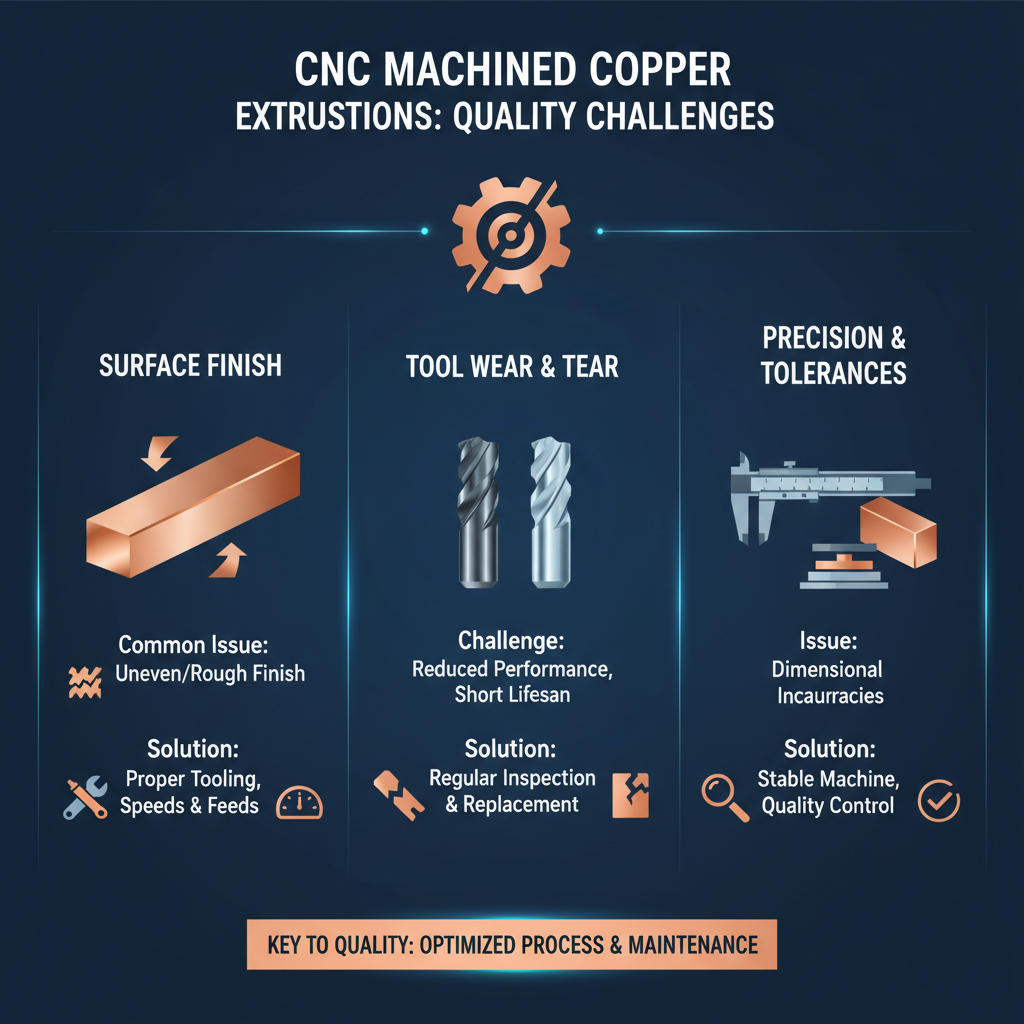
CNC machined copper extrusions come with their own set of challenges, especially when striving for quality and precision. One common issue is achieving the desired surface finish, which can often be compromised during machining. To address this, utilizing the right tooling and maintaining consistent speeds and feeds can dramatically improve surface quality. Regularly inspecting tools for wear and tear helps to ensure optimal performance and extends their lifespan.
Another challenge is managing thermal expansion during the machining process. Copper has a high thermal conductivity, which can lead to warping if not monitored closely. Employing coolant during machining helps to dissipate heat effectively and reduces the risk of deformation.
At Shaanxi Brilliant Machinery Co., Ltd., we prioritize overcoming these challenges through continuous innovation and by adopting industry best practices. By focusing on the quality of our mechanical parts, we aim to set a global benchmark in manufacturing excellence. Leveraging advanced technology and ensuring sustainable practices, we strive to elevate the standards of CNC machined copper extrusions, ultimately enhancing customer satisfaction.
Optimizing Medical Applications: The Growing Role of Special-shaped Copper Extrusions in Medical Device Manufacturing
The medical device manufacturing industry is witnessing a transformative shift with the increasing adoption of special-shaped copper extrusions. These uniquely designed components are engineered to meet the rigorous standards inherent in healthcare applications. With their precision and tailored shapes, special-shaped copper extrusions cater to a diverse range of medical devices and instruments, including diagnostic tools and advanced surgical equipment. This level of customization is vital as it allows manufacturers to create devices that are not only effective but also compliant with medical industry regulations.
Copper's inherent properties further amplify its suitability for medical use. Renowned for its excellent electrical conductivity, copper plays a crucial role in the performance of various medical devices, where reliable electrical connections are paramount. Additionally, copper exhibits remarkable antibacterial characteristics, making it an ideal choice for applications that require a hygienic environment. This dual functionality ensures that devices constructed using special-shaped copper extrusions not only perform effectively but also contribute to patient safety and infection control. As healthcare continues to evolve, the role of these specialized components in medical applications is set to expand, driving innovation and enhancing the quality of care provided to patients.
Conclusion
CNC machined copper extrusions play a vital role in various industries due to copper's excellent conductivity and machinability. Understanding the basics of CNC machining is crucial, as it influences the choice of machinery and cutting tools. Key properties of copper, such as its thermal and electrical characteristics, significantly impact machining performance and should be considered during the process.
At Shaanxi Brilliant Machinery Co., Ltd., we prioritize the optimization of machining speeds and feeds while implementing stringent quality control measures to overcome common challenges in CNC machined copper extrusions. Our commitment to manufacturing excellence ensures that we continuously innovate and elevate the standards of quality to meet customer satisfaction and industry benchmarks.